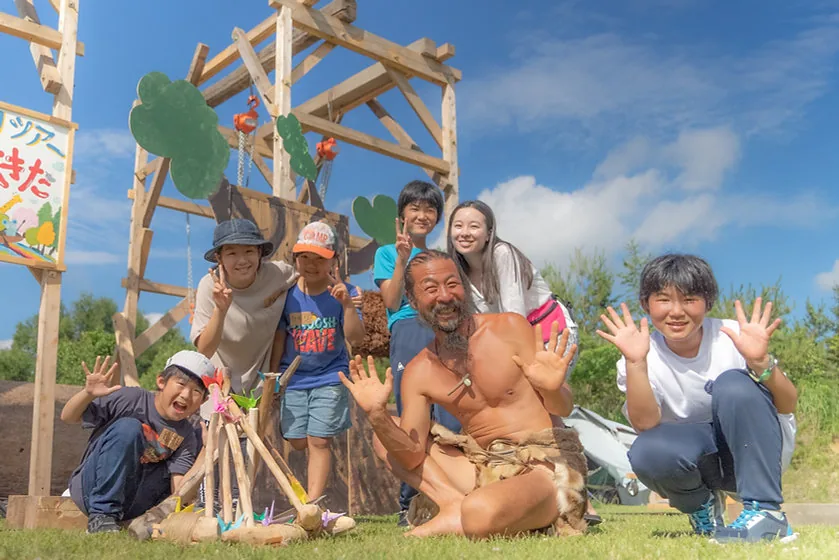
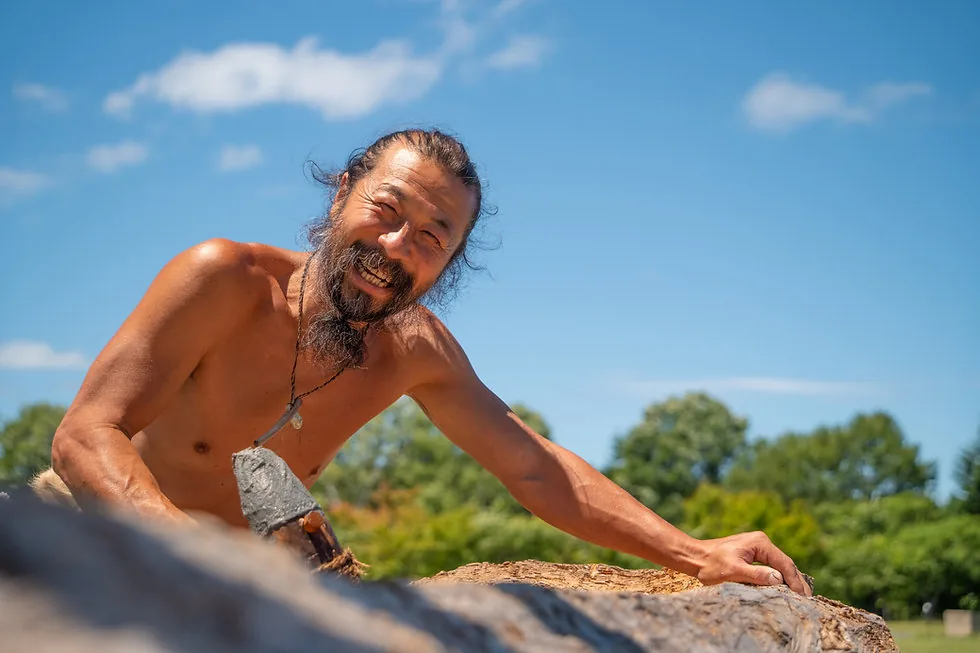
Born in Yamanashi Prefecture in 1969. He entered carpentry after taking a part-time job stripping bark from logs.
His journey took him from log-house builder to carpenter, licensed architect, and shrine and temple carpenter. As he became increasingly drawn to traditional hand-tool techniques used to restore old houses and cultural properties, he encountered stone axes in 2009 and recognized their extraordinary potential.
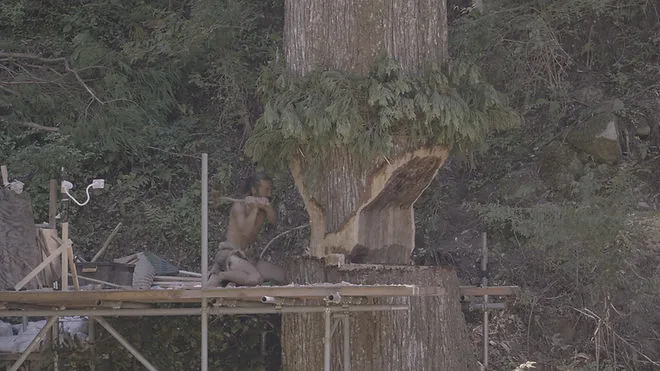
He reconstructed a Jomon-period dwelling using stone axes and other tools at the Mawaki archaeological site in Ishikawa. For the National Museum of Nature and Science's experimental archaeology project Recreating a 30,000-Year-Old Voyage, he made an ocean-going dugout canoe, from tree felling onward, using stone axes. He lives in a hand-built shelter known as his 'Jomon hut.'
In 2025, he received the Wakamiya Award from the Yamanashi Environment Foundation for outstanding environmental conservation activities.
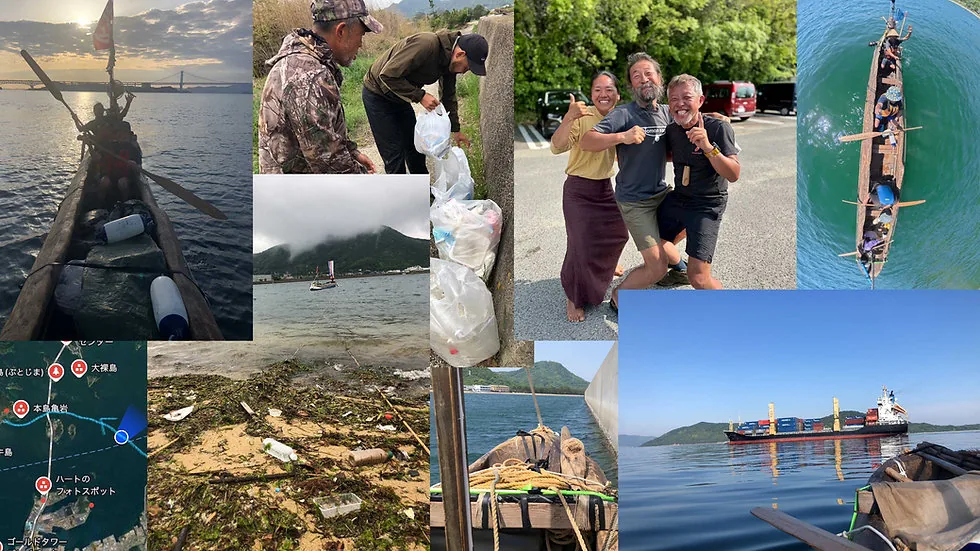
Today, he paddles a dugout canoe along Japan's coastline, collecting marine litter. His clothing incorporates keepsakes from animals that lost their lives in road accidents.














Director's statement
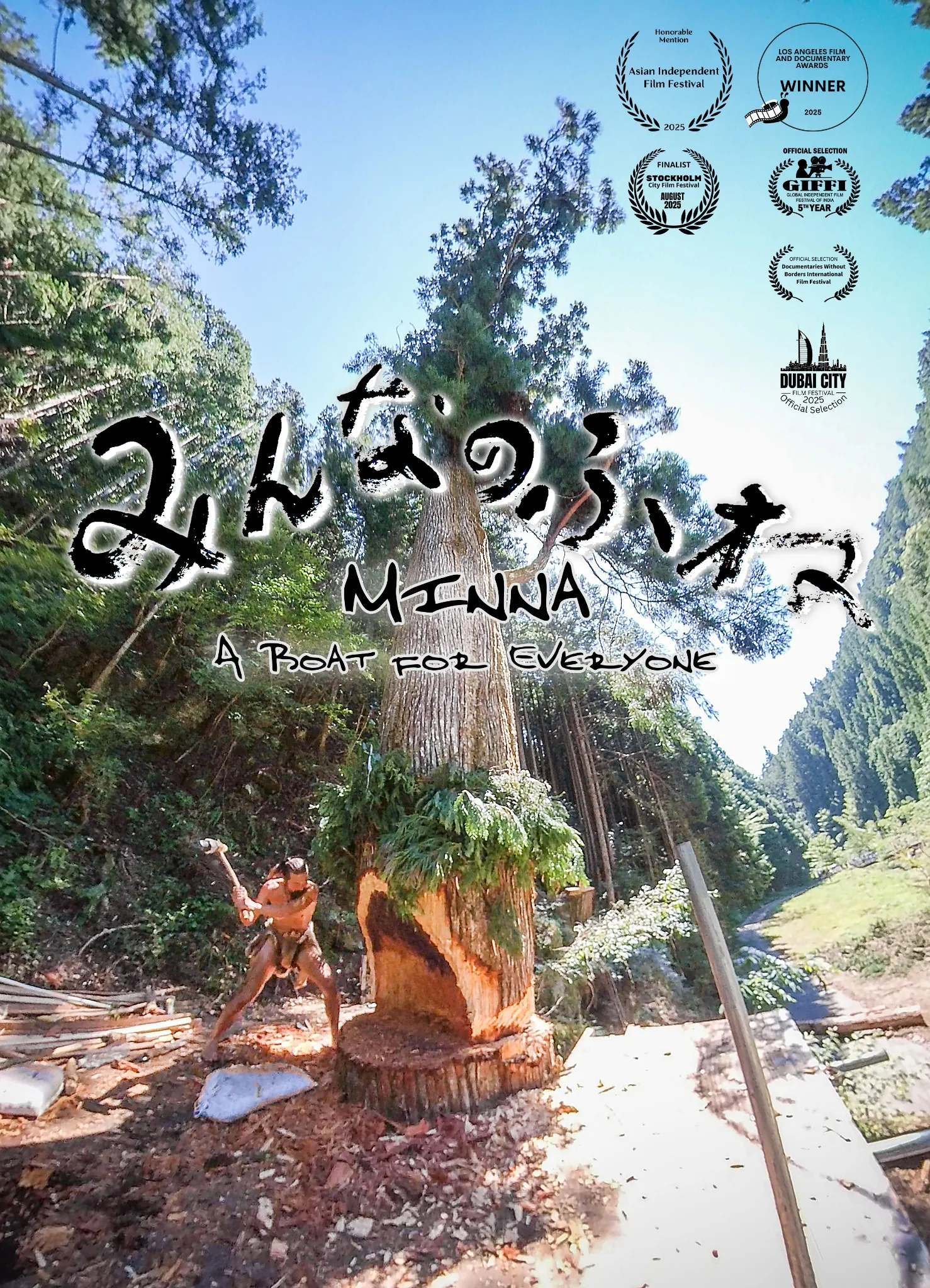
A film about building a dugout canoe using nothing but stone axes — without power tools or iron implements.
After watching this film many times, I began to think of it as being like a pilgrimage undertaken entirely on foot. No trains, cars, buses, or bicycles — as if you even walked from your home to the very first temple on the route.
With every convenience of modern civilization, a pilgrimage could probably be finished in less than a week. On foot, it might take months, or even years. So what is the point of choosing the harder, slower way?
Perhaps it is that some worlds can only be seen when you move slowly. A tortoise notices things that faster creatures miss. Flowers at your feet, distant mountains gradually drawing nearer, the blue sea beyond them, conversations with townspeople, and moments when you stop to look back. These are worlds you would never encounter if you rushed past. You take time to savor them, allowing yourself to walk at your own pace.
Wanting things to be faster and easier is part of human nature. I am no exception. But if we can give ourselves permission to move slowly, perhaps entirely different insights and philosophies will begin to emerge.
His name can create a misleading impression (laughs), but Jomon is not attempting an archaeologically exact recreation of Jomon life, nor is he dressing up as a prehistoric person for fashion. He simply recognized how wonderful the slow pace of working with a stone axe can be, even in the modern world.
Kunihiro Amemiya began his career building log houses with chainsaws. He moved through iron hand tools such as adzes and axes before arriving at stone axes. In other words, he is a modern craftsman who understands very well the power of contemporary technology. And because of that, he struggled for years with the distance between his ideals and the society in which he lived.
Walking his own path had revealed a gap between the world he envisioned and modern society. He wrestled with what to do about it, and eventually began this enormous, seemingly impossible project on his own. That was the Jomon-san Has Arrived! Project.
Jomon approached many major production companies, hoping to document the project and encourage people to reflect on relationships among life, humanity, and the Earth. All declined. Recording a project that would span more than two years and bringing it to the screen would require a huge budget. Perhaps even the companies that wanted to participate could not make it happen.
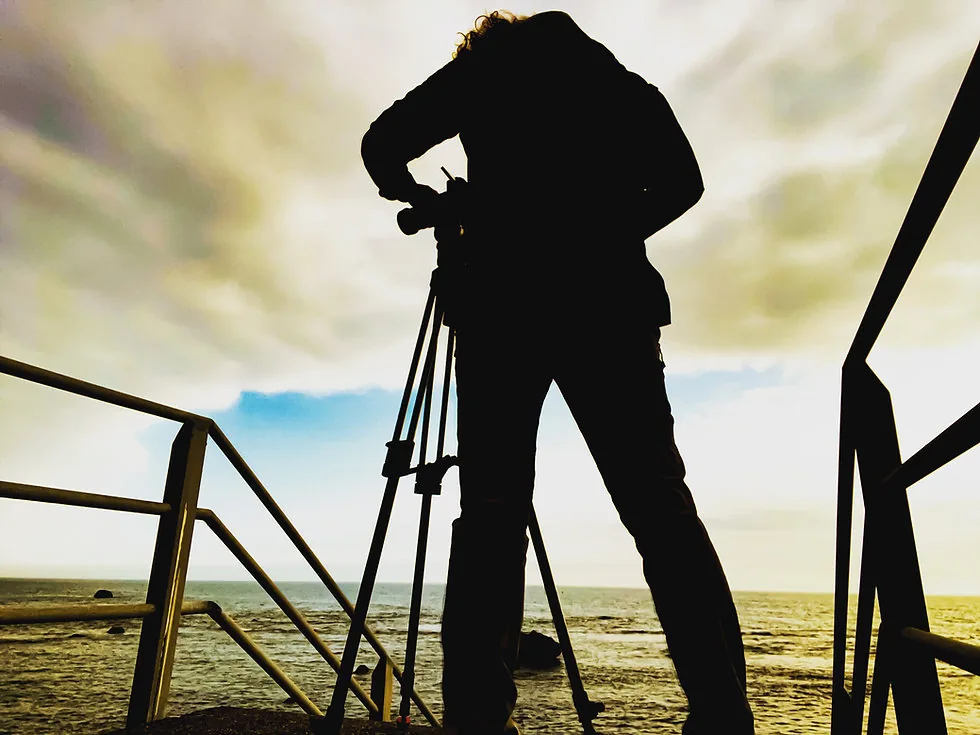
I thought perhaps I could manage it. If a big company couldn't, maybe this was the moment for a tiny independent filmmaker. I had a camera, some equipment, and myself. Surely we could somehow make it work, I thought, if I just gave it everything I had.
I decided to begin filming at my own expense and record as much as possible. Even if people called it improvised or impossible, I would keep going. The subject was alive. Once a moment passed without being filmed, it could never be recovered.
With every day after deciding to make the film, I discovered how small and fragile my own contribution really was. Again and again, people came forward to support us, helping in so many ways that it felt almost miraculous.
Without noticing, I too had begun moving at an incredibly slow pace, with many people gently pushing me forward. There were times when I thought we might fail, and days when I felt sad. But I never wanted to quit. I learned for the first time just how powerful encouragement can be.
Somehow, I managed to film the project to the end and bring it to audiences. A project far too large for one person, which might have collapsed many times, has become a film. It is a miracle made possible by the strength of so many people.
This truly is Minna — a boat, and a film, made by everyone.
We did it, everyone!
Director — Yuki Nishiyama